A Cabin in the Woods
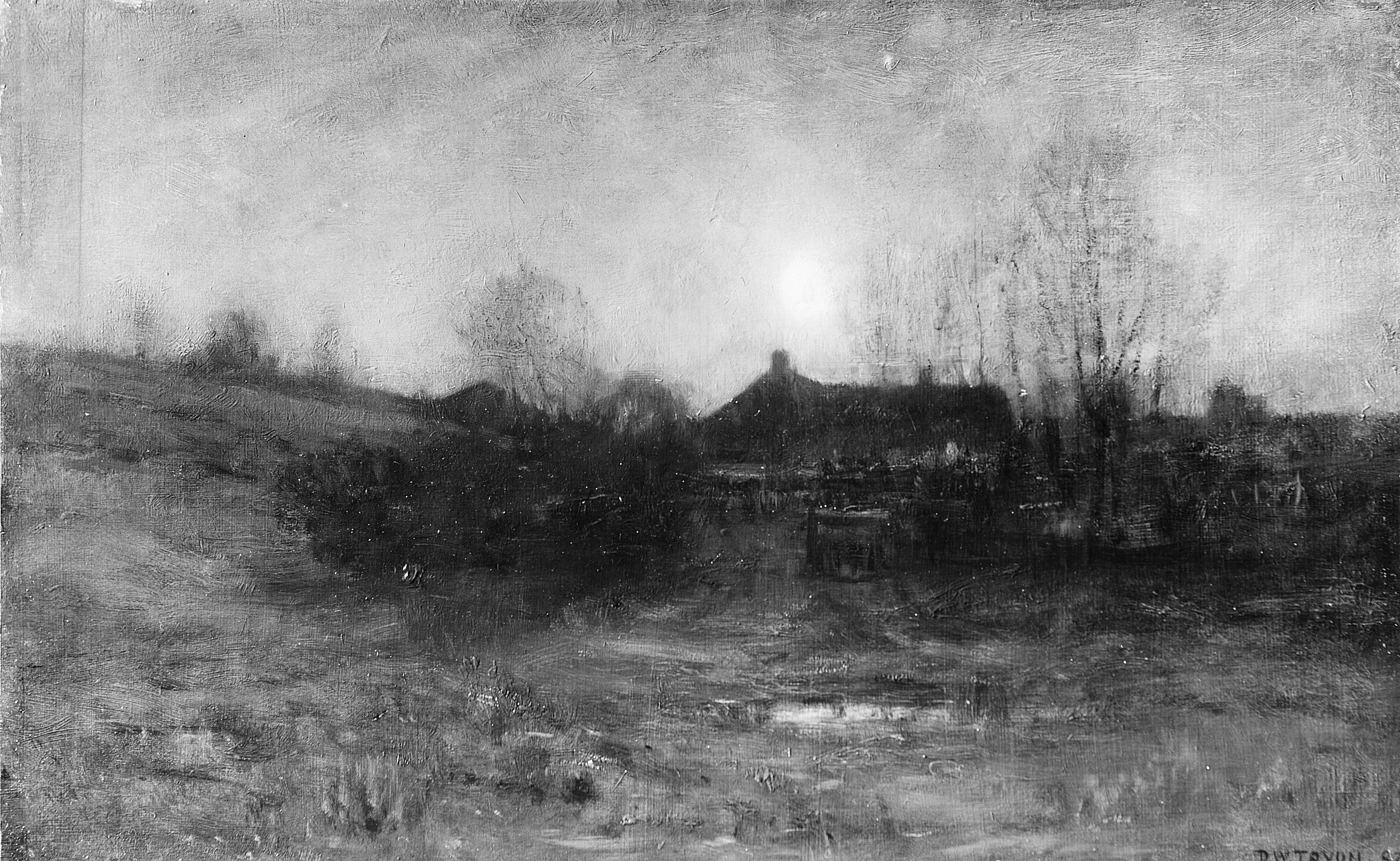
Image: Moonlight, Dwight William Tryon, The Met Museum (public domain)
A Cabin in the Woods
Finding Fulfillment in the Journey
I’ve often dreamed of living in a simple cabin in the woods. Not a lavish retreat, but a small, cozy space surrounded by nature. The appeal lies in the peace and quiet, and the sense of self-reliance it represents.
Dreams like these are important. They offer direction and hope, acting as a horizon toward which we can strive. However, it’s easy to become so focused on that distant horizon that we overlook the challenges and small joys that exist right in front of us along the path we’re currently traveling.
I haven’t yet built my cabin in the woods, but with each year, I feel a little closer. Progress isn’t always a rapid sprint; it’s often about maintaining what you’ve already achieved while taking the next step forward. Recently, I was reminded of this during a chilly day. After a stretch of warm weather, there was a sudden cold spell. I discovered our propane tank, the one we rely on for heat, was running low. This meant a trip was necessary. Living somewhat remotely, getting necessities requires a significant time commitment. I had planned other activities for the day and felt a little frustrated at having to change my plans.
But after clearing the snow off the car and loading the tanks, I made the journey. The drive was beautiful, with sunlight illuminating a landscape seemingly resistant to the sudden cold. Arriving at the hardware store, I enjoyed a brief conversation with some kind, genuine people. Salt of the earth. Then, I drove home, no longer annoyed. In fact, I felt strangely invigorated. Simply shifting from focus on the distant horizon to addressing the immediate need brought with it a much-needed change in perspective.
Dreams live on the horizon. Without acknowledging the challenges, appreciating the effort, and finding beauty in each moment, those dreams can fade.
Shifting The Focus to Sustainability
I have a tendency to strive for perfection while going about daily tasks and activities. Perfection is another one of those ideals that is always just over the horizon. Instead of trying to “master” the systems around us, a steadier path is to learn how to navigate them without losing sight of our own well-being. This means shifting our focus from external achievement to internal stability. It’s about building a “cabin” in the present – a space for shelter, work, and a sense of belonging. This represents a commitment to consistent effort, and a recognition that the satisfaction of achievement comes from the work itself, not just the finished product. It’s not about abandoning the dream, but realizing that the dream is realized through the process of striving, not at the moment of completion. And along the way, we’ll likely build many different “cabins,” each one fueled by that original vision.
The Vision vs. The Work: A Constant Balancing Act
For me, the idyllic vision of self-sufficiency – my cabin in the woods – can sometimes overshadow the practical realities of achieving and maintaining it. While the vision offers a perfect ideal, the actual process is messy, involving continuous maintenance and adaptation. This tension between the ideal and the practical is common in many areas of life; from financial independence and building a business, to effectively using a new technology like AI. The real sense of fulfillment comes from acknowledging and embracing the ongoing effort required to sustain what we desire.
Grounded Systems and Meaningful Routines
True sustainability isn’t solely defined by a grand vision. It’s rooted in finding contentment and meaning in routine maintenance. Seemingly mundane tasks, like a trip to refill a propane tank, illustrate this idea. These practicalities, often excluded from our idealized visions, form the foundation of a meaningful life. They transform freedom from systems to a reconfigured responsibility within them. Even a self-sufficient life involves connection, reliance, and consistent upkeep.
The Power of the Moment
I haven’t yet reached my dream of a home in the wilderness. I’m closer now than I was ten years ago, but still not there. And even if I did arrive, would I fully recognize it? It’s hard to say. For now, it’s enough that it’s warm inside while it’s cold outside. My dog, Dusty, is lying contentedly next to me as I write. This is part of the journey. Fulfillment and happiness aren’t found on a distant horizon; they’re present in these moments.
Related on Quiet Frontier:
About the Author
Rod Price has spent his career in human services, supporting mental health and addiction recovery, and teaching courses on human behavior. A lifelong seeker of meaning through music, reflection, and quiet insight, he created Quiet Frontier as a space for thoughtful conversation in a noisy world.
Comments
Quiet Frontier welcomes thoughtful discussion and differing perspectives. The goal is not agreement, but clarity, reflection, and mutual respect.
Please keep the following in mind:
Engage ideas, not individuals. Disagreement is welcome; personal attacks are not. Contribute with intention. Comments should add perspective, ask meaningful questions, or extend the discussion. Clarity over emphasis. Excessive or gratuitous profanity may be removed—not as a matter of offense, but because it often replaces clear expression. Avoid noise. Spam, self-promotion, and low-effort comments may be removed. Assume responsibility for your words. This is a space for considered thought, not impulsive reaction.
Comments are moderated. The aim is not to control discussion, but to maintain a space where meaningful dialogue remains possible.
How to comment
- Enter your name and email address.
- A verification email will be sent to that address.
- Copy the token from the email.
- Paste the token into the token field here on the site.
- Submit your comment. or
- You can log use your GitHub login.
No account or password is required. This process simply helps keep the comment section free of spam and more focused on genuine discussion.