Videos

2026-03-26
This video explores the ‘Fallacy of Change:’ the tendency to postpone joy, waiting for external circumstances to improve, and offers practical strategies for cultivating inner resilience and finding fulfillment now. Learn how to shift your focus from what’s missing to what you already have, and reclaim your inner compass for a more meaningful and connected life.
Read more →

2026-03-19
Should statements are rigid rules we create for ourselves, often using words like “should,” “must,” or “ought.”They are often based on outdated beliefs or unrealistic standards. Recognizing them and reframing those unrealistc expectations can go a long way toward improving well-being.
Read more →

2026-03-12
Overgeneralization is a common cognitive distortion that can significantly impact self-esteem and crtical thinking. This video explores how this common pattern of thinking affects various aspects of life, and offers some practical tips for breaking free from its grip.
Read more →

2026-03-07
Learn about emotional reasoning and how your emotions can distort your perception of reality. Understand why feelings sometimes override facts and explore strategies to break free from this cognitive distortion.
Read more →

2026-02-28
We all use cognitive shortcuts to manage our day to day activities without becoming completely overwhelmed. Attribution bias is one of them. It is useful in some cases, but can lead to misperception and premature judgment without self-reflection and self-awareness.
Read more →

2026-02-17
Have you ever found yourself adding another task to an already full plate, thinking it would help you get ahead? It could be because of additive bias, our ingrained inclination to solve problems by adding something new, rather than taking things away.
Read more →
2026-02-11
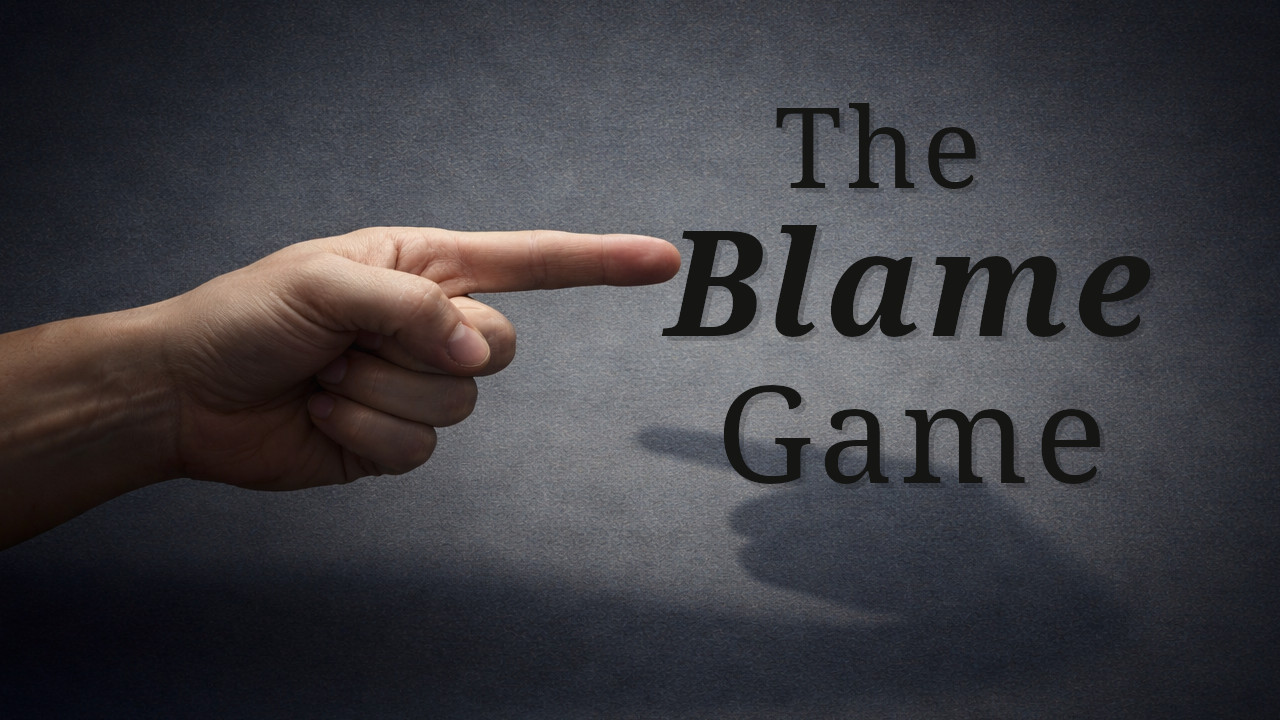
Blaming is a common cognitive distortion. It’s a mental shortcut we use when something goes wrong. Instead of sitting with uncertainty, we search for someone or something to hold responsible.
Read more →
2026-02-02
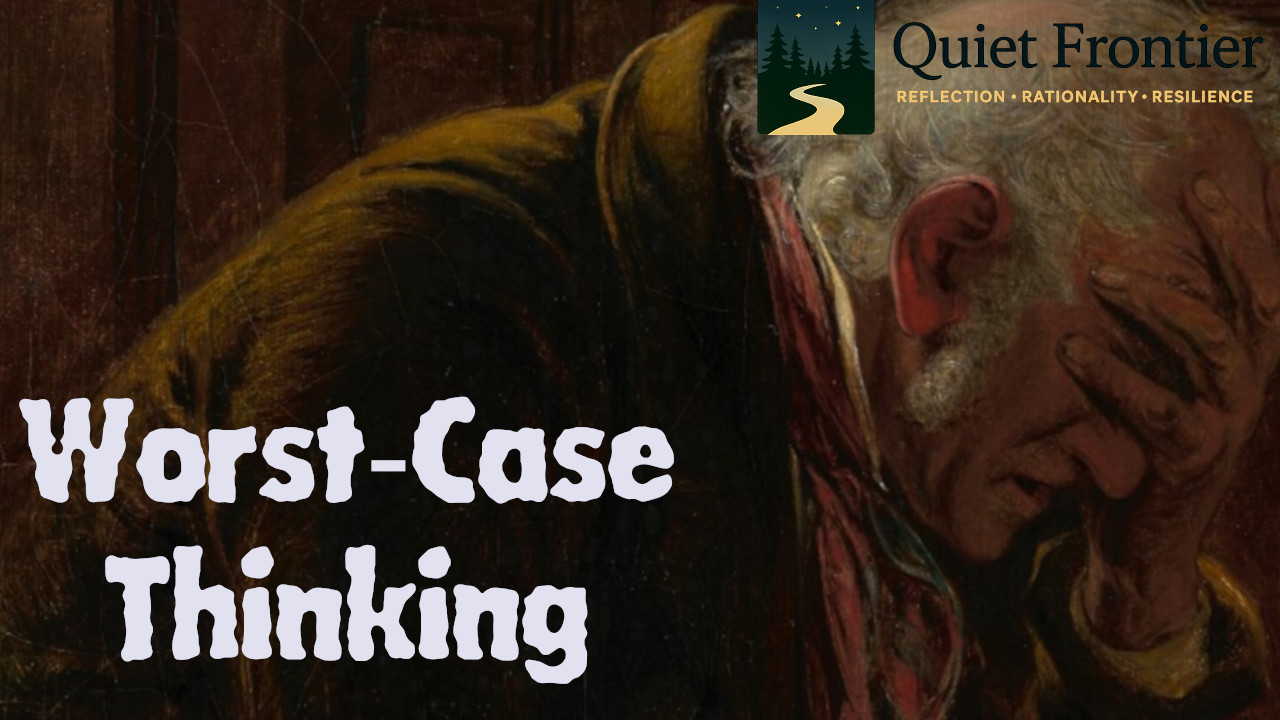
Catastrophizing is a common thought pattern where the mind jumps to the worst possible outcome, often without evidence.
Read more →

2026-01-27
All-or-nothing thinking is a common cognitive distortion where experiences are judged in extremeas: success or failure, perfect or pointless, right or wrong. When this pattern takes over, even small mistakes can feel overwhelming, and progress can be hard to recognize.In this video, we explore: What all-or-nothing thinking is | How it shows up in everyday life | Why the mind gravitates toward extremes | How to loosen its grip and make room for more balanced thinking
Read more →

2026-01-11
Symbolic interactionism is one of the three major sociological paradigms, alongside structural functionalism and conflict theory. Unlike those approaches, which operate at the macro level by examining social institutions, power structures, and large-scale patterns, symbolic interactionism is a micro-level perspective focused on everyday social life.
Read more →